
Presenter Quotes
A Decade of Transformation:
Presenter Perspectives on 2035
What does a sustainable food future actually look like? We asked the 2026 Menus of Change presenters to look ten years into the future. Their insights serve as a roadmap for our discussions this June. Explore their thoughts, find your inspiration, and join us at the summit as we work to make these visions a reality. Here's what they had to say:
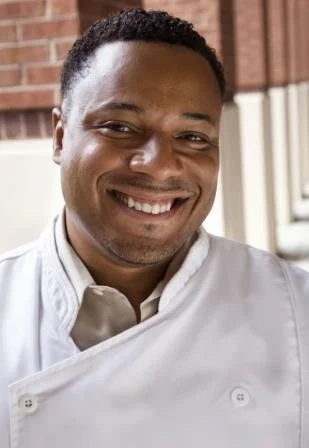
“Provocative Thought Will Lead to Provocative Action (We must first subscribe to provocative conversations)!”
- Alex Askew '89, President, BCA Global
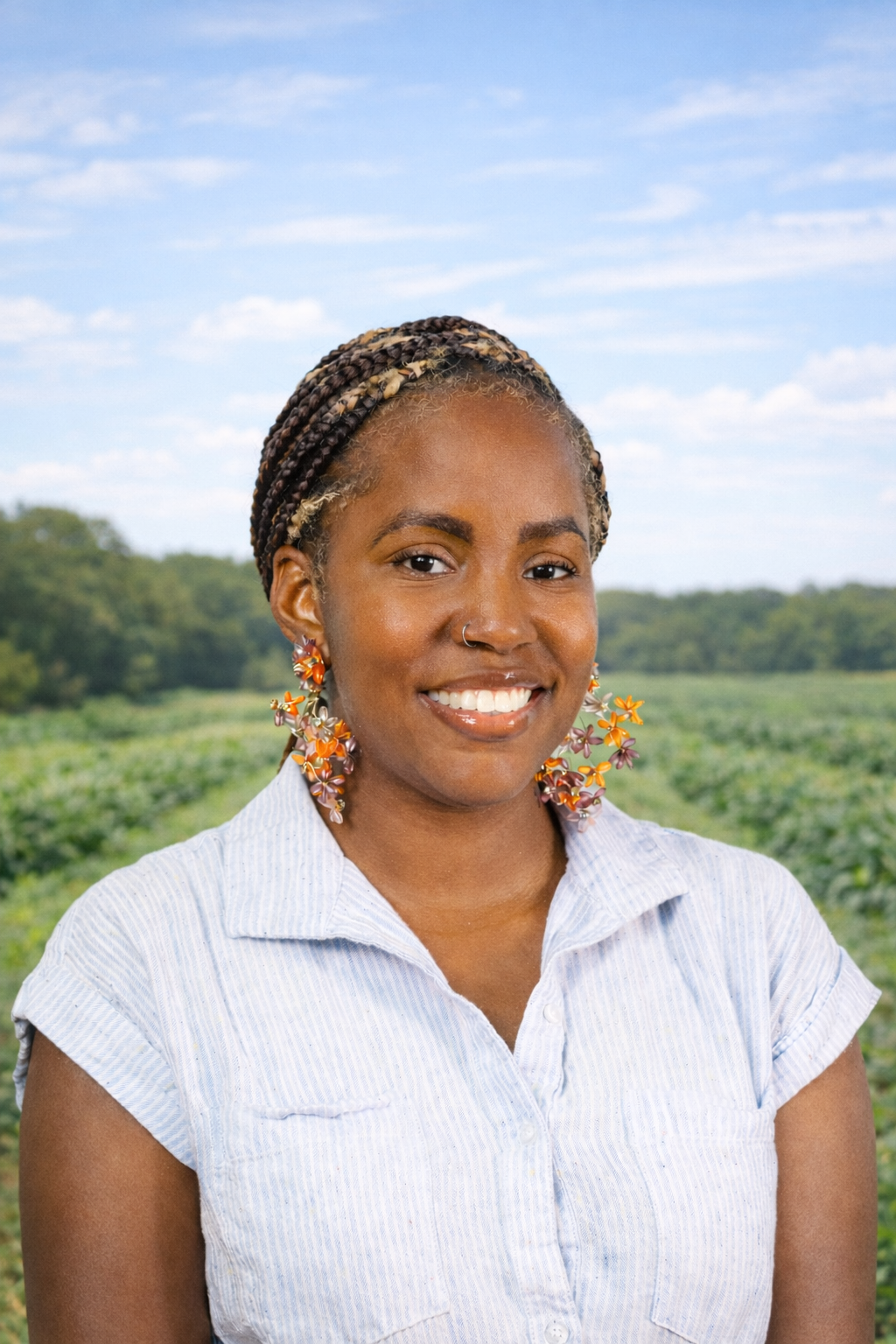
“By 2035, I hope sustainability means farms are truly profitable and farmers are respected as essential professionals. Too often sustainability conversations focus on environmental practices without addressing whether the farmer can actually make a living. Real sustainability must include economic viability. Farmers should be able to pay fair wages, steward land regeneratively, and build stable businesses without relying on constant subsidies or personal sacrifice. If we get it right, sustainability in 2035 will look like profitable farms, healthy soil, transparent supply chains, and communities that know—and value—the people who grow their food.”
- Christa Barfield, CEO, FarmerJawn Agriculture
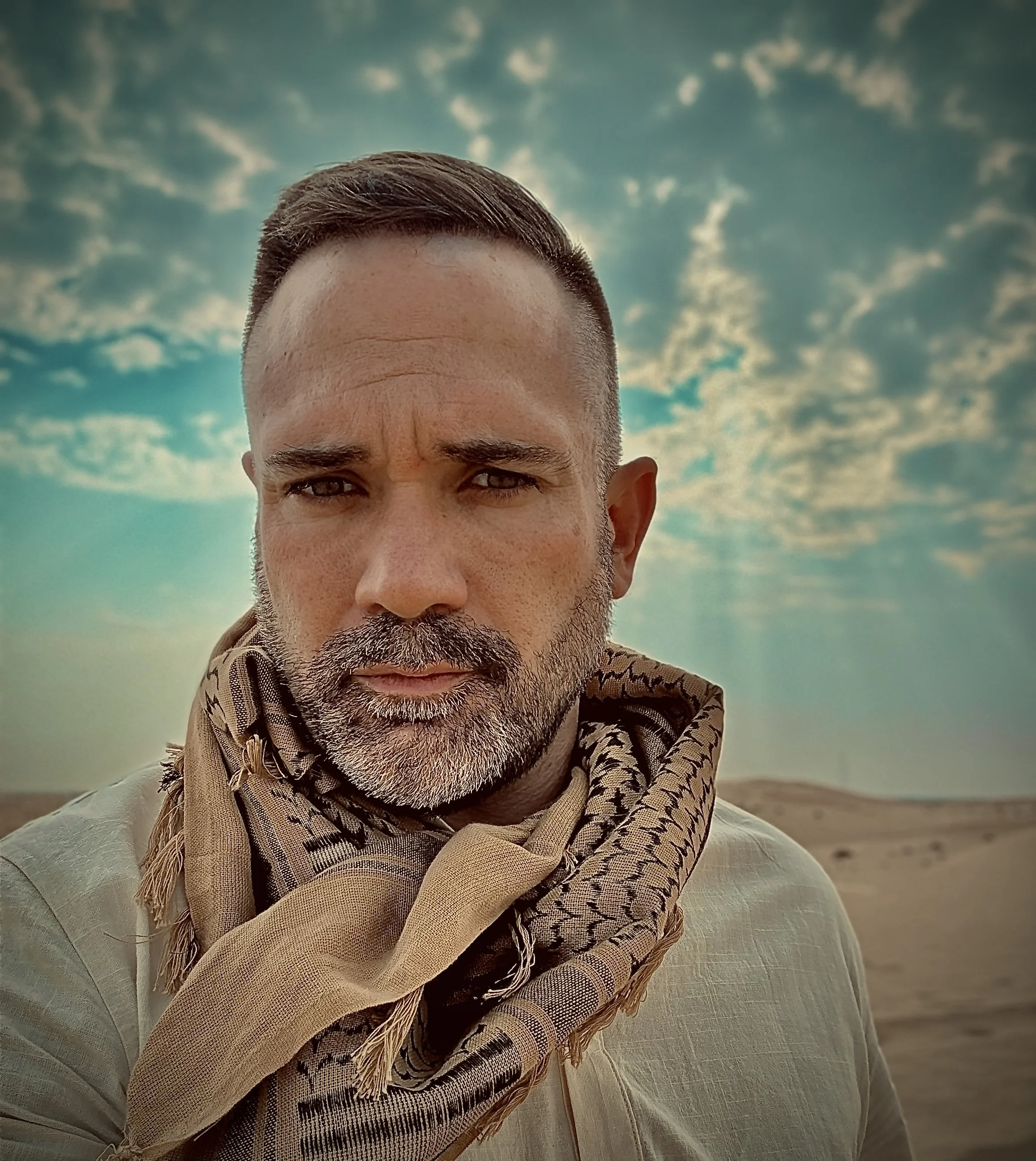
“By 2035, I hope sustainability isn’t a department in businesses anymore. I hope it’s no longer a logo slapped on packaging. I hope it’s not a report that gets printed on recycled paper while the supply chain runs on massive exploitation. I hope it’s operational, mandatory and incredibly boring in the best way!
I hope by 2035 we have all stopped pretending cheap food that lasts forever is normal…. Cheap flights are normal…. Cheap clothes are normal. Nothing about “cheap” is normal it means damage.
Cheap is subsidized by soil loss, exploited labor globally, polluted water, and communities that don’t have a voice or a platform.
In 2035, I hope food has a face again. I want chefs too know the farmers and not because it looks cute on a menu. I want procurement teams visiting the shrimp ponds instead of just reading the spec sheet. I want the word “regenerative” to mean something measurable….
Working with black tiger prawns for example I saw what it takes to do it right. It’s slower. It’s harder. It costs more upfront. You don’t get to hide from the ecosystem when you’re standing in it. That’s the future I want. Less hiding.
I hope by 2035 sustainability professionals are out of jobs because the CFO understands carbon and believes in its reduction, because the chef understands biodiversity and because the operations manager understands water the way they understand labor.
Integrated. Not delegated.
I hope we’ve stopped calling it “sustainable seafood” or “sustainable agriculture” like there’s another option. If it destroys the system it depends on, it’s not business it’s an inevitable implosion.
I hope supply chains are transparent enough that a 16-year-old with a phone can trace where their food came from and who got paid. And if something’s dirty, it can’t hide.
By 2035, I hope we’ve accepted that some things will shrink. Less volume. Less waste. Less blind consumption less I want it now.
I don’t want a future where we’re congratulating ourselves for slightly less bad. I want a future where restoration is normal. Where we measure success in soil depth, water clarity and species return.
And I hope the people leading it aren’t the ones who talk the best. They’re the ones who have dirt under their nails and lived experience.
Sustainability in 2035 shouldn’t feel like activism. It should feel like competence. And if it doesn’t, then we wasted another decade…. I for one refuse to waste more time.”
- Matthew Beaudin ‘05, Chef & Global Sustainability Advocate, Seafood Watch Blue Ribbon Task Force
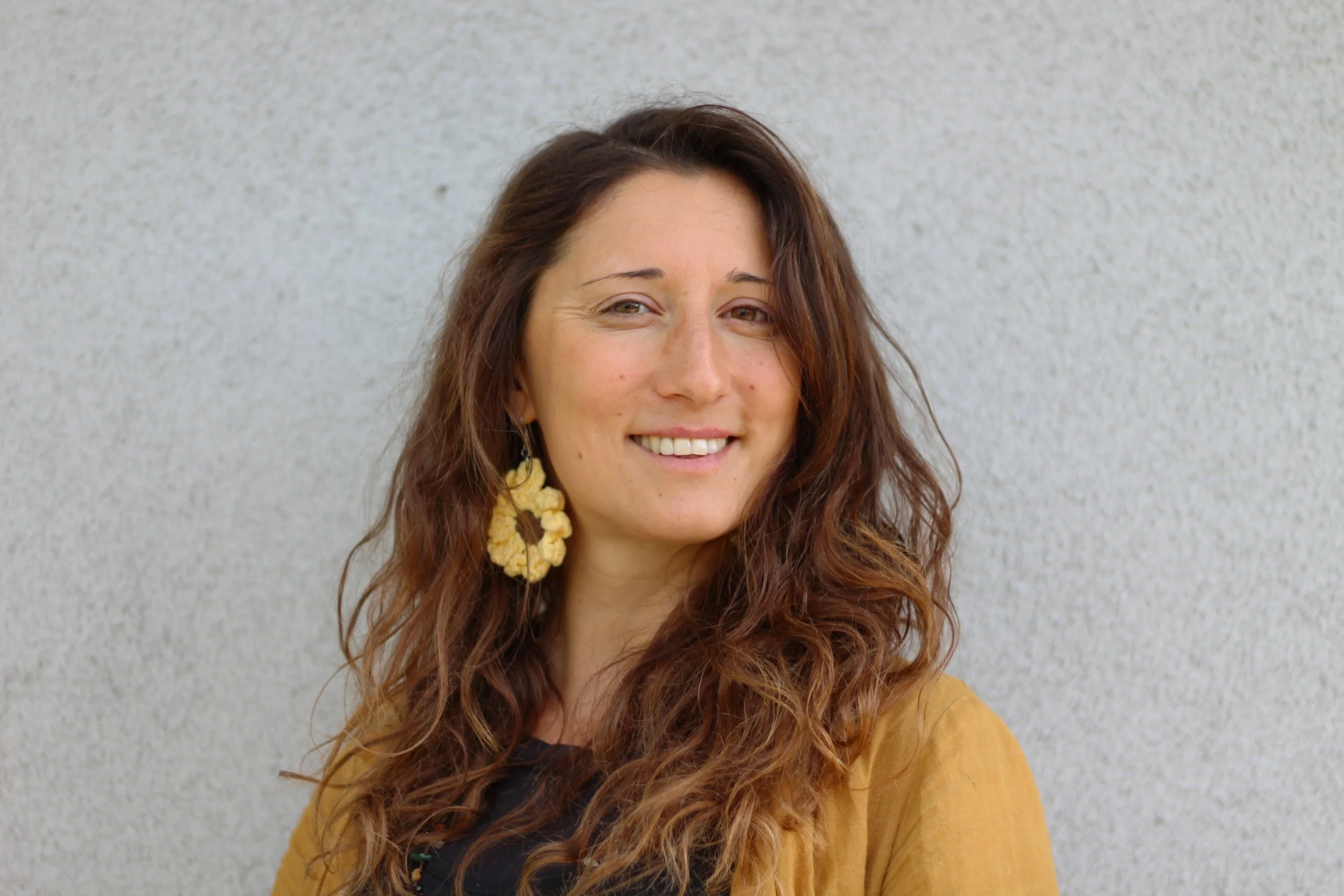
“I hope we will make choices that sustain us - both our health and our home - because we want to, because they are more economical, desirable, and easy. I wish we can design a system in which the sustainable choice is more norm than the unsustainable choice.”
- Gesina Beckert, Director of Programs, BITE - Building Impact Through Eaters
“I hope we will see a significant increase in verifiably sustainable sourcing options for commercial baking operations. More Fair Trade wholesale chocolate, more regenerative agriculture practices in wheat and sugar production, and more environmentally conscious consumers willing to support bakery operations that choose sustainable ingredients.”
-Lilla Bernal ‘99, CMB, Associate Professor Baking and Pastry, The Culinary Institute of America
“By 2035 I hope that we have solved the problem of single use plastics.”
- Danielle Bock, Director of Nutrition Services, Greeley-Evans Weld County School District 6
“By 2035, I hope sustainability is no longer treated as an added initiative, but as a baseline expectation embedded into every part of the food system. What matters most to me is that the next generation understands not just why sustainability matters, but how to do better in real, operational ways. That means knowing how to reduce waste, how to design menus and beverage programs that use ingredients more fully, and how to connect back-of-house practices with front-of-house storytelling and revenue.
I hope we will have shifted from intention to execution. Sustainability should be visible in daily decisions, measured through outcomes, and taught as a core competency. If we succeed, future food leaders won’t see sustainability as extra work. They will see it as the way the work is done.”
- Caitlin Bolin, Lecturing Instructor, Culinary Institute of America
“Sustainability is 2035 looks like a generation who never knew anything different.
Students raised composting, growing and eating close to the earth and carrying those habits into adulthood. Food systems that are local and seasonal, less waste and single use items. The real shift will be cultural and driven by the children we are raising today.”
- Leah Botko, SNS, Director of Food and Nutrition, Old Orchard Beach School District

“We're here for it - meaning the food industry is making huge strides in doing our part in menu engineering to reimagine delicious food with lower carbon impact. Emerging data points to the need more shifts to happen in the public’s understanding, acceptance, and ultimately adoption of eating patterns that are more plant-based. We will have worked collectively to create and adopt solutions that protect all aspects of the food supply chain including hard questions like what is the future of a beef ranch if beef consumption shifts dramatically. In 2035 we will have moved from making commitments to measurable actions that are baked into systems and just a part of what do.”
- Terri Brownlee, MPH, RD, LDN, Vice President Food Education + Wellness, Bon Appetit Management Company
“By 2035, I hope sustainability is deeply rooted in blue foods—making oceans and freshwater systems central to how we feed the world. Sustainable fisheries and regenerative aquaculture are the norm, not the exception, guided by science, strong governance, and transparent supply chains. Blue foods are widely recognized as climate-smart nutrition, providing low-carbon protein while supporting coastal livelihoods and food security.
Innovation plays a big role: seaweed farming improves water quality and captures carbon, shellfish aquaculture restores ecosystems, and alternative feeds reduce pressure on wild fish stocks. Communities that depend on blue foods—especially small-scale fishers—are empowered rather than displaced, with fair access to markets and technology.
By 2035, sustainability no longer means choosing between feeding people and protecting the planet. Instead, blue foods show how nourishing a growing population can actively regenerate our blue planet, proving that healthy waters and healthy diets are fundamentally connected.
By 2035, I think we will have made meaningful progress toward a more sustainable food future by fully embracing blue foods as part of the solution. Fisheries are better managed, with overfishing reduced through science-based quotas and improved monitoring, allowing fish populations to recover while still feeding millions. Regenerative aquaculture—especially seaweed and shellfish—has scaled globally, improving water quality, enhancing biodiversity, and creating resilient coastal economies.
Blue foods are more accessible and affordable, integrated into national dietary guidelines and food security strategies because of their high nutritional value and low environmental footprint. Supply chains are more transparent, reducing waste and illegal practices, while innovation in feeds and processing lowers emissions across the system.
Most importantly, by 2035 we have shifted the narrative: sustainable food is no longer land-centric. By valuing oceans, rivers, and lakes as essential food systems, we have taken a major step toward nourishing people while restoring the planet.”
- Jennifer Bushman, Executive Director, Fed by Blue; Reno Nevada
“By 2035, I believe we will have fundamentally shifted how the food industry defines success. Sustainability will have moved from a voluntary talking point to a baseline requirement of doing business — built into how kitchens are designed, how menus are written, and how suppliers are chosen. We will have proven, at scale, that ingredients long pushed to the side of the plate can create genuine wow moments — and that those moments are the most powerful tool we have to educate the guest. Most importantly, food will have reclaimed its role as part of the experience, not just a transactional function. When that happens, sustainability stops being a program and starts being a culture. That's the shift I believe this decade will deliver.”
- Gerhard Bussen ‘01, Director, Culinary Services, Sodexo Live!
“By 2035, I hope we will have stopped treating sustainability like an optional side project and started treating it like part of the way good hospitality works. I would love to see more people at the table shaping the conversation, especially those who have historically been left out of it. For me, a more sustainable food future means supporting regional producers, wasting less, caring more honestly for the people doing the work, and helping guests understand that their choices matter. Ideally, by then, sustainability will not feel like a marketing word. It will feel like common sense, good business, and basic respect.”
- Brandi-Renee Burgess, Assistant Professor, The Culinary Institute of America
“What I think by 2035 as a society we will have accomplished towards a more sustainable food future is a reduction in food waste and holding industry leaders more accountable to being smarter with their food waste. By using industry data and even AI I think we can use these tools to better project food usage, consumption and waste to better reduce our food waste.”
- Joaquin Cariaso '22, Sous Chef, Manhatta

“1. By 2035, sustainability will be more embedded in core business operations and food supply chains. Our journey to this future will be fragmented: some people and organizations will be driven by commitments to social and environmental regeneration, while others will implement sustainable solutions because the risks and costs of not doing so will begin to be too great. Some will be driven by innovation and creativity, while others will be driven by compliance as their local governments enact legislation to address societal-level impacts. Misinformation, tribalism, and power struggles are likely to shape the arc of this journey and the level of sustainability we achieve by 2035. I am hopeful that we minimize suffering and embrace true regeneration along the way.”
- Rebecca Chesney, Vice President of Sustainability, Guckenheimer
“By 2035, I envision sustainability as an integral part of hospitality’s DNA—not a separate initiative, but the very foundation of how we operate. The real transformation will come when sustainability shifts from a conscious intention to the default in everything we do. It will be seamlessly woven into how we plan menus, run our galleys, source products, manage energy, and collaborate with ports and communities. Sustainability will be the standard, guiding our daily decisions and shaping a brighter, more responsible future for our industry.”
- Marisa Christenson '06, Associate Vice President, Food & Beverage Operations and Development, Holland America and Seabourn
“Regenerative agriculture will tip beyond 10%, bringing costs way down, and improving biodiversity, sinking (some) carbon, and making our food more nutrient dense.”
- Jeff Clark, Director, Business Engagement, National Restaurant Association

“I hope that by 2035 sustainability is inherently built into how we live and experience the world, and it becomes the default for new generations.”
- Valentina Córdoba, MS, MA, Research and Community Manager, The Culinary Institute of America
“I hope in the near future, before 2035, that sustainability means every person has affordable access to nutritious food — grown responsibly on land and sea — and the basic cooking skills to nourish their body, mind, and spirit. By 2035, we will have elevated nutrition — particularly for brain health — as a national priority, building food systems that honor both the earth and the people it feeds, where wholesome, responsibly produced food from land and water is within reach for all.”
- Linda Cornish, MBA, Founder & President, Seafood Nutrition Partnership
“I would hope that we will have eliminated single use plastics completely and food waste itself is at a very base minimum that only includes things we can't actually safely consume.”
- Jennifer Cox, Senior Vice President of Culinary, Levy
“A 2035 food system should restore ecosystems rather than deplete them. Key features would include:
Regenerative agriculture as the norm—soil‑building, biodiversity‑enhancing, water‑conserving practices.
Indigenous and traditional knowledge integrated into land stewardship and food production.
Diversified cropping systems that reduce dependence on monocultures and increase resilience.
Climate‑smart livestock and aquaculture that reduce emissions and protect ecosystems.
Regionalized supply chains that shorten distances between growers, producers and consumers, reducing vulnerability to global disruptions.”
- Sandy Curwood, Healthy Kids Collaborative Project Manager, Culinary Institute of America
“Sustainable meat innovation that is more delicious, more affordable, and more nutritious than conventional meat---making it an easy default choice.”
- Tim Dale, Category Innovation Director, Food System Innovations
“By 2035 I hope the most celebrated dining experiences will be those that taste good, feel good and do good for the planet at the very same moment.”
- Sushanta Das, Founder and CEO of tRetail Labs
“By 2035, I hope sustainability in food systems will be less about individual choices and more about systemic design. Ideally, sustainability will be embedded into how food is produced, distributed, and served rather than treated as a niche or premium concept.
One of the most visible changes will likely be more plant-forward diets, not necessarily fully vegetarian or vegan diets, but meals where plants make up the majority of the plate and animal proteins play a smaller role. Research consistently shows that shifting toward plant-forward eating patterns can significantly reduce greenhouse gas emissions and land use while improving public health.
We will likely also see greater transparency in the food supply chain. Advances in digital tracking and labeling may allow consumers and foodservice operators to see where ingredients come from, how they were produced, and their environmental footprint. This type of transparency can help create accountability and encourage more responsible production practices.
Another major shift will be in agricultural practices. Regenerative agriculture—methods that rebuild soil health, improve biodiversity, and sequester carbon—will likely become more widespread as farmers adapt to climate pressures and market demand. Healthier soils not only support more resilient farming systems but also improve long-term productivity.
Finally, sustainability will probably be increasingly linked to food waste reduction. Globally, about one-third of food produced is wasted. By 2035, improved supply chain logistics, better forecasting tools, and cultural changes around food utilization could dramatically reduce waste across farms, restaurants, and households.
In short, the hope is that by 2035 sustainability will no longer be a specialized movement within food systems but rather the standard way food is produced and consumed.
By 2035, I think we will have made meaningful progress in several areas, although the work will certainly still be ongoing.
First, we will likely see significant improvements in food waste reduction. Many countries and institutions have already set goals to cut food waste in half by 2030, and technological improvements in inventory management, forecasting, and redistribution networks are helping foodservice operations become much more efficient.
Second, the plant-forward movement will likely be mainstream in institutional dining, including universities, hospitals, and corporate foodservice. Culinary innovation is making plant-based and plant-forward dishes more appealing, and many foodservice programs are already redesigning menus around legumes, whole grains, vegetables, and smaller portions of animal protein.
Third, alternative proteins and diversified agriculture will probably play a larger role in the food system. This may include expanded use of pulses, fermentation-based proteins, seaweed, and potentially cultivated proteins, all of which aim to reduce environmental pressure compared with conventional livestock production.
Another important accomplishment will hopefully be greater awareness and education around food systems. Consumers, chefs, and foodservice professionals are increasingly recognizing that food choices impact climate, water resources, biodiversity, and human health. As this understanding grows, it influences purchasing decisions, menu development, and policy.
Finally, by 2035 we may see stronger collaboration between farmers, chefs, educators, and policymakers. Sustainable food systems require cooperation across the entire supply chain, and many initiatives are already bringing these groups together to rethink how food is produced and served.
While sustainability challenges will certainly remain, the progress made by 2035 could represent an important shift toward a food system that is more resilient, more transparent, and more environmentally responsible than the one we have today.”
- Raymond Dawson, Assistant Professor, The Culinary Institute of America, Hyde Park
“1. Hopefully, sustainability will look like a unified effort by humans to actively combat climate change and reap the rewards of spending time in nature.
2. I hope that by 2035 we will have largely eradicated single-use plastics, abolished harmful chemicals in agriculture, cleaned up our oceans + freshwaters, and put an end to global food insecurity. Together, we can do it.”
- Christie Dufault, Professor, Wine + Beverage, The Culinary Institute of America
“By 2035, sustainability should look like thriving wild salmon runs, healthy oceans, and fishing communities that can pass their livelihoods on to the next generation.”
- Lilani Dunn, Executive Director, Bristol Bay Sockeye Salmon
“I think that Gen Alpha will have quite a bit more food literacy than their current adult counterparts because they are growing up with a food centric video library at their fingertips through social media. Ideally, that food literacy will lead to increased consumption of fruits and vegetables, since influencers and content creators will have hit a visual "easy button" on how to buy, eat, and transform any produce item anyone can think of. That will serve to shift the eating patterns and demands of that entire generation to dishes better for people and planet and impact generations to come. And I think we will have cracked the code on increasing pulse consumption - possibly by rebranding.”
- Lisa Feldman, Senior Director of Culinary, Menu Systems & CSR, Sodexo
“By 2035, I’m optimistic that we’ll look back on this moment as when food allergy moved from a “special request” to a core dimension of hospitality excellence—fully integrated into menus, training, and guest experience.
For individuals and families living with food allergy, dining out today can still carry uncertainty. By 2035, that experience should feel transparent and inclusive with clear ingredient disclosure, consistent protocols, and teams trained to proactively support guests. In many ways, food allergy safety will be as standard as food safety itself.
This shift won’t just benefit patients, it will create real value for hospitality. With more than 33 million Americans living with food allergy and over 85 million impacted, earning trust with this community builds deep loyalty and repeat engagement.
By 2035, I believe we will have accomplished three things toward a more sustainable food future:
+ Transparency normalized through technology and standards across menus and supply chains
+ Training embedded into culinary education and workforce culture
+ Inclusion recognized as a driver of sustainability and stronger guest relationships”
- Craig Fontenot, Chief of Staff & Mission Integration, FARE (Food Allergy Research & Education)
“By 2035, sustainability will likely feel less like a movement and more like standard operating procedure. Instead of being a separate “green” initiative, it will be woven into how economies, cities, companies, and daily life function.”
- Michael Fraino, Supervising Chef - Managed Services, Restaurant Associates
“Sustainability in 2035 has the potential to be transformative, driven by advancements in technology, global collaboration and a deeper societal commitment to preserving the planet for future generations. For the foodservice industry, my hope is a greater commitment to sustainable business practices, including the embrace of plant-based fare and no-waste practices.”
- Lizzy Freier, Senior Director of Menu Research & Insights, Technomic
“It will be stealth and the food industry will be a major drive.”
- Teresa Fung, ScD, RD, Adjunct Professor of Nutrition, Ruby Winslow Linn Professor of Nutrition, Harvard TH Chan School of Public, Simmons University
“By 2035, I hope sustainability will be less of a niche concept and more of a built-in feature of how our food system operates. Ideally, healthier and more sustainable food choices will simply be the default in places where people eat every day like schools, hospitals, workplaces, prisons, and the military.
By 2035, I hope we will have moved from small pilot projects to large, real systems-level change. Research like ours is helping demonstrate how dietary patterns influence both human health and environmental outcomes and the goal is to translate that evidence into practice at scale.”
- Christopher Gardner, PhD, Director, Nutrition Studies Research Group, Stanford University
“In 2035, sustainability will look like companies and consumers alike choosing primarily foods grown using regenerative methods. Society at large will have a greater understanding of -- and appreciation for -- the way land and sea are inextricably linked, and we will have laws, policies, and cultural norms that support and improve the health of our entire earth ecosystem. (also: kelp will be in EVERYTHING)”
- Sam Garwin, Director of Market Development, GreenWave
“Consumers will have much greater awareness of and demand for regenerative organic food that will accelerate the transition to regenerative organic agriculture - scaling positive environmental, economic, and health benefits.”
- Christopher Gergen, CEO, Regenerative Organic Alliance
“By 2035, I see the sustainability profile of the CIA elevated greatly. We should be leading the charge in culinary education regarding this topic. I envision us using green energy at our facility. I hope that we will be utilizing at least 50 % of our usable trim rather than composting. Having our own composting plant on campus as well as a productive agricultural area that feeds the school.
I believe that we can accomplish 10 food waste by 2035 if we are proactive.”
- Lynne Gigliotti '88, Chef Instructor, The Culinary Institute of America, Hyde Park, NY
“By 2035, I hope we see multiple land-based aquaculture companies operating successfully at scale, proving that sustainable salmon production can be both biologically sound and economically viable. For this industry to move forward, it’s not about one company getting it right—it’s about many teams executing consistently across fish health, system design, operations, and product quality. If we can demonstrate repeatable success, we’ll shift perception from “emerging technology” to a trusted, scalable solution for producing high-quality protein with greater control, transparency, and environmental responsibility.”
- Brandon Gottsacker, Chief Executive Officer, Superior Fresh LLC
“Regenerative agriculture is the norm.”
- Jean-Xavier Guinard, Professor, University of California, Davis
“What sustainability will likely look like in 2035?
Invisible to consumers, embedded in systems.
The biggest shift: sustainability won’t be a “feature” or marketing claim—it will be infrastructure.
Supply chains will be digitally traceable end-to-end
Carbon, water, and waste will be tracked like cost of goods
AI will optimize formulations, sourcing, and logistics in real time
What I hope we get right (this is less certain)
We move from “less harm” to “net positive.” Not just reducing impact, but:
Regenerative agriculture
Circular packaging systems
Products that improve ecosystems, not just avoid damage”
- Steve Gundrum, Chief AI Officer, Mattson
“It will have even more urgency than today. Significantly more awareness in the industry; significantly better tools to assess sustainability footprint of individual / business decisions; some progress in actually acting sustainably.”
- Thomas Harter, Nora S. Gustavsson Endowed Professorship for Groundwater Resources in Agriculture, University of California Davis
“Reduction of food waste globally to <10%, meat consumption reduced by 50% from 2026 levels, regenerative agriculture the predominant way of growing.
I think we will substantially reduce food waste and that we will have a strategy to provide sufficient food in a way that reduces chemical usage and carbon emissions.”
- Jill Houk, Research and Development Chef, Culinary Culture
“I hope in 2035, consumers will expect sustainability as a baseline standard of the products they buy. It will become a more normalized product attribute across menus and retail.”
-Nira Johri, Former Chief Sustainability Officer, KFC (Yum! Brands)
“By 2035 sustainability will read like a well-composed tasting menu: AI-enabled, interoperable knowledge systems inking molecules-to-markets and soil-to-soil, transforming wonky data details into clear decision signals. For farmers this means locally rooted soil and molecular intelligence to grow more biodiverse, resilient crops with fewer chemical inputs. For chefs and processors it means process and recipe guidance that cuts waste while protecting flavor, nutrition and cultural integrity—so sustainability literally tastes better. For institutions, purchasers and consumers it means affordable, machine-verifiable claims at the point of procurement and purchase that make healthy, equitable and delicious choices simple; for regulators it means auditing outcomes instead of paperwork, lowering costs and rewarding stewardship. Simply put: the future of sustainability is delicious.”
- Matthew Lange, CEO and Chief Science Officer | International Center for Food Ontology Operability Data and Semantics (IC-FOODS)
“1. I hope that sustainability in 2035 becomes an industry standard. I hope there are contractual obligations and serious reformations being made that will start to show noticeable outcomes. There are a lot of industries making headway in this field and I am hopeful that the standards of college dining will be drastically changed and reformed for a more sustainable future.”
- Dorian Lazzara, Sustainability and Wellness Intern, Gourmet Dining- Marist University
“By 2035, I hope we stop asking people to choose sustainability over deliciousness. The most sustainable food should be the most irresistible food—winning on flavor first, planetary benefit second. When regenerative agriculture consistently produces food that tastes demonstrably better, sustainability becomes a selfish choice, not a sacrifice. That's how we get everyone on board, not just the already-converted.”
- Mike Lee, Principal Futurist, The Future Market & Mise; Detroit, Michigan
“I hope that sustainability in 2035 will be utilizing AI to improve farming and sourcing in order to localize purchasing of products and food.”
- Ryan Luttrell, Assistant Professor, The Culinary Institute of America
“By 2035, I believe we will have made real progress toward a more sustainable food future by redefining value in food and beverage. Sustainability will be reflected not only in what we source, but in how we design experiences and serve people.
Non alcoholic beverages will play a meaningful role in that shift. Applying a zero waste or low waste lens to beverage programs will become more common, using culinary techniques, byproducts, and thoughtful preparation to create drinks that are intentional rather than excessive. Alcohol free menus will help reduce waste, expand creativity, and allow operators to build more flexible, resilient programs.
As the industry continues to prioritize experience, inclusivity will become a core measure of sustainability. Creating spaces where everyone can fully participate, regardless of how or what they drink, will be central to what a sustainable future in food and beverage truly looks like.”
- Christopher Marshall, Founder, Sans Bar

“We're supporting small-scale producers to fill our plates and bellies with oysters, seaweed, silvery fish, and other nutritious, low-impact blue foods”
- Julia Mason, Senior social-ecological systems scientist, Environmental Defense Fund
“If fiber consumption average increases from 15 grams per day to 35 grams per day by 2035.”
- Andrew Mayne, Senior Associate Director of Culinary Strategies, Stanford University
“I hope that sustainability in 2035 will be optimistic, joyful, and human-centered & restorative by design.”
- Renee McKeon, VP Sustainability, Corporate Services, Sodexo
“My hope is that by 2035, sustainability is no longer viewed as an “extra” initiative, but as a standard way of operating. Today, individuals and companies often implement sustainable practices after the fact, once systems are already in place. Instead, sustainability should be embedded from the beginning—integrated into everyday decisions, business models, and culture—and treated as a fundamental requirement rather than an optional effort.”
- Pablo J. Mendez, Regional Chef, Areas USA
“By 2035, I hope that sustainability will no longer be an aspiration — it will simply be how things are done. Food, packaging, supply chains and dining concepts will be designed with climate and health in mind as a default. We will have made major progress toward a diet that is good for people and planet, not through sacrifice, but because delicious, climate-conscious choices will be the easiest, most enjoyable and affordable ones. If we do this well, sustainability in 2035 will feel less like a revolution and more like common sense — quietly embedded in the food experiences we love.”
- Thorsten Merkle, Professor and Head of the Expert Group for Hospitality & Service Management at the Zurich University of Applied Sciences
“By 2035, we may look back and realize that the most radical changes to our food system didn’t arrive with fanfare, but through a quiet accumulation of small, deliberate choices. Farmers adopting regenerative practices one field at a time. Chefs rethinking waste not as an inevitability but as a design flaw. Scientists turning proteins into something we can grow with precision rather than extract with consequence. Communities rediscovering the power of sourcing food from places they can actually point to on a map.
Add these shifts together and a pattern emerges: a food system that becomes lighter on the planet, smarter in its use of resources, and more resilient in the face of climate and supply-chain disruptions. By 2035, we won’t have solved every challenge, but we will have rewritten the operating assumptions of how food is grown, distributed, and valued—setting the stage for a future where sustainability isn’t a goal, but the default.”
- Colin Milner, CEO of the International Council on Active Aging (ICAA) and founder of the active-aging industry in North America
“By 2035, I hope sustainability is no longer framed as an aspirational add-on, but as the default operating logic of the food system. Not something we brand or perform, but something embedded in policy, infrastructure, labor practices, and cultural norms. Success looks less like perfection and more like alignment between environmental limits, economic viability, human dignity, and cultural relevance across regions.
What I hope we’ve accomplished by then is a meaningful shift from fragmented, reactive efforts to durable systems that are harder to undo. Food policy understood as climate policy. Chefs recognized not just as advocates, but as translators turning global goals into everyday action through food that resonates emotionally and culturally. I hope we’ve reduced the most extractive practices, strengthened regional food economies, and made real progress on equity and access.
The 2035 horizon marks a critical midpoint between the urgency of the Sustainable Development Goals and the longer-term 2050 climate and food system targets. Reaching this moment with integrity means we’ve translated ambition into systems, shifting from isolated initiatives to shared belief, cross-sector collaboration, and infrastructure capable of sustaining change at scale.”
- Sammy Monsour '03/'20, Chef, Author, Educator, Food Activist
“My hope is for no more silos. Sustainability, longevity, cultural humility, equity - feeding these values leads to the same plate: one as deeply rooted in tradition as it is in soil.”
- Maggie Moon, MS, RD, Brain Health Nutrition Expert, MIND Diet Meals
“I hope we can move a step closer to attaining the Sustainable Development Goals, specifically world hunger, with the collective power of food literacy and education”
- Anaiya Naroola, Student, UC Davis
“Our food system will be transformed to focus on food for people, rather than feed for animals and fuel for cars.”
- Marion Nestle, Paulette Goddard Professor of Nutrition, Food Studies, and Public Health, Emerita, at New York University
“By 2035, I hope sustainability is no longer a separate conversation or a buzzword, but simply the way we do things. It looks like food systems that support farmers and workers, nourish communities, and help restore the planet. Most of all, it means practical, hopeful solutions shaped by the people most affected.”
- Danielle Nierenberg, President and Co-Founder, Food Tank
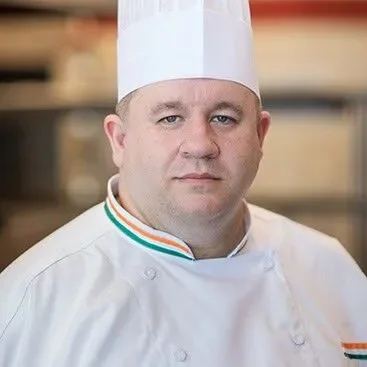
“That we focus on growing aquaculture in America.”
- Matthew Ona, Lecturing Instructor, The Culinary Institute of America
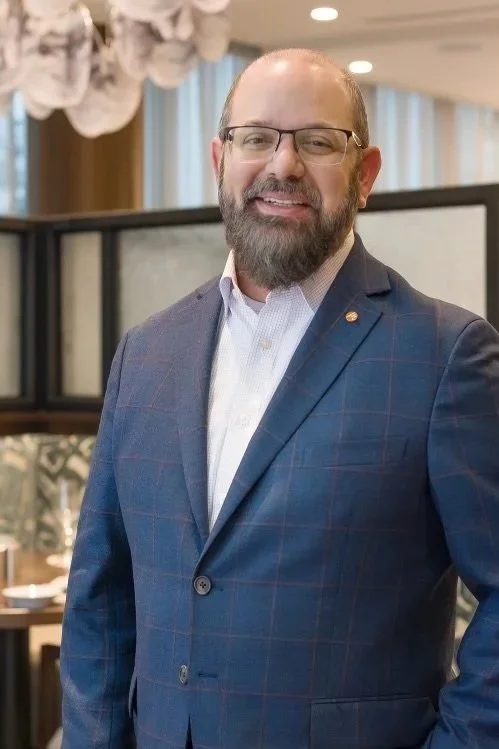
“My hope is that sustainability is no longer something we aspire to achieve, but simply the way we operate. It becomes foundational—embedded into every aspect of a foodservice operation, from sourcing and production to service and waste management. At that point, sustainability isn’t a differentiator; it’s table stakes. The easier, more natural choice is to operate sustainably, and opting for non-sustainable products or practices becomes the exception rather than the norm.”
- Thad Parton, Assistant Vice President, Food & Beverage, Mather
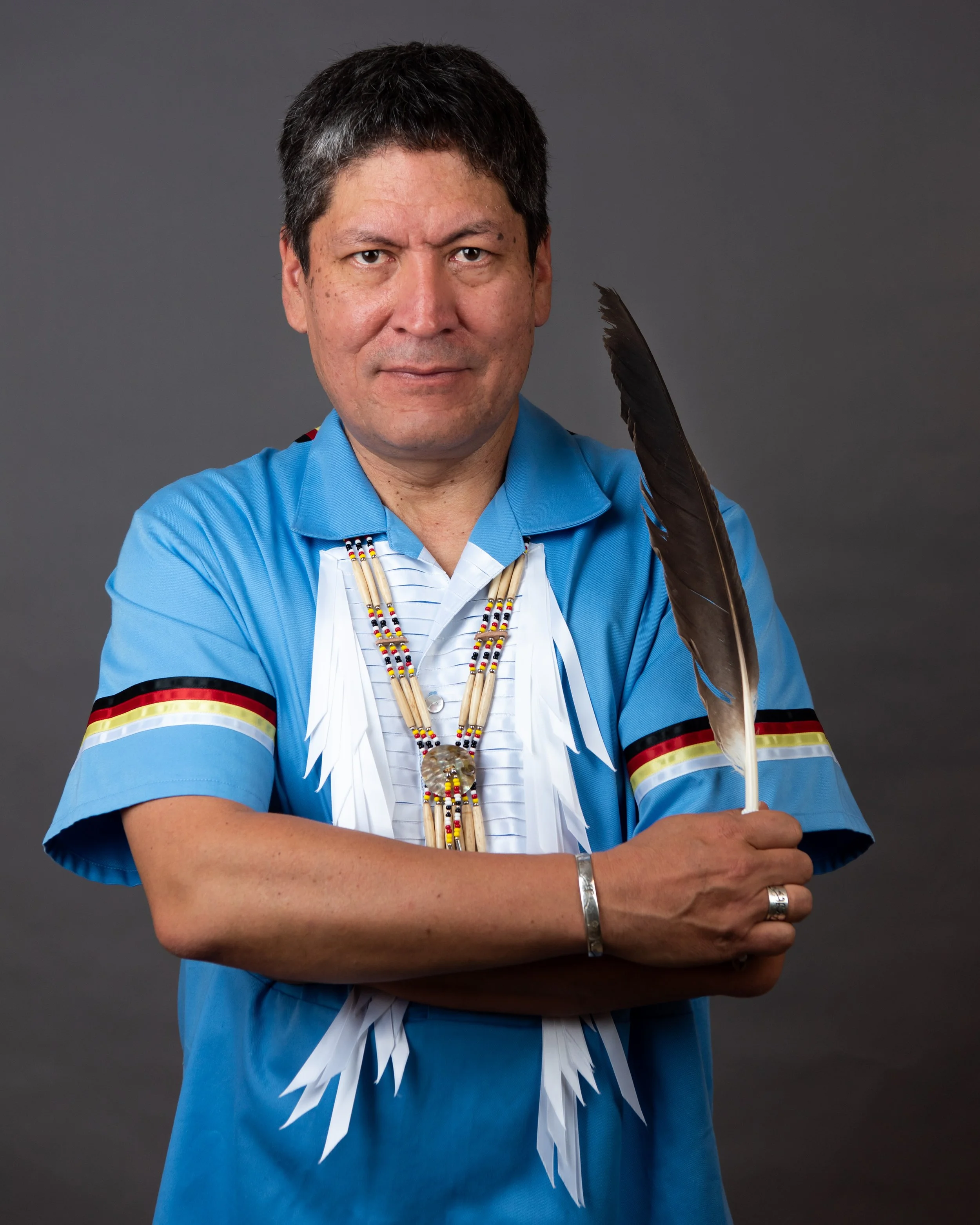
“What we need to accomplish is move toward a healthy ocean, filled with healthy food. Indigenous-led initiatives and ways of doing will become essential in healing our relationship with the ocean.”
- Ken Paul, Principle/Owner, Pokiok Associates
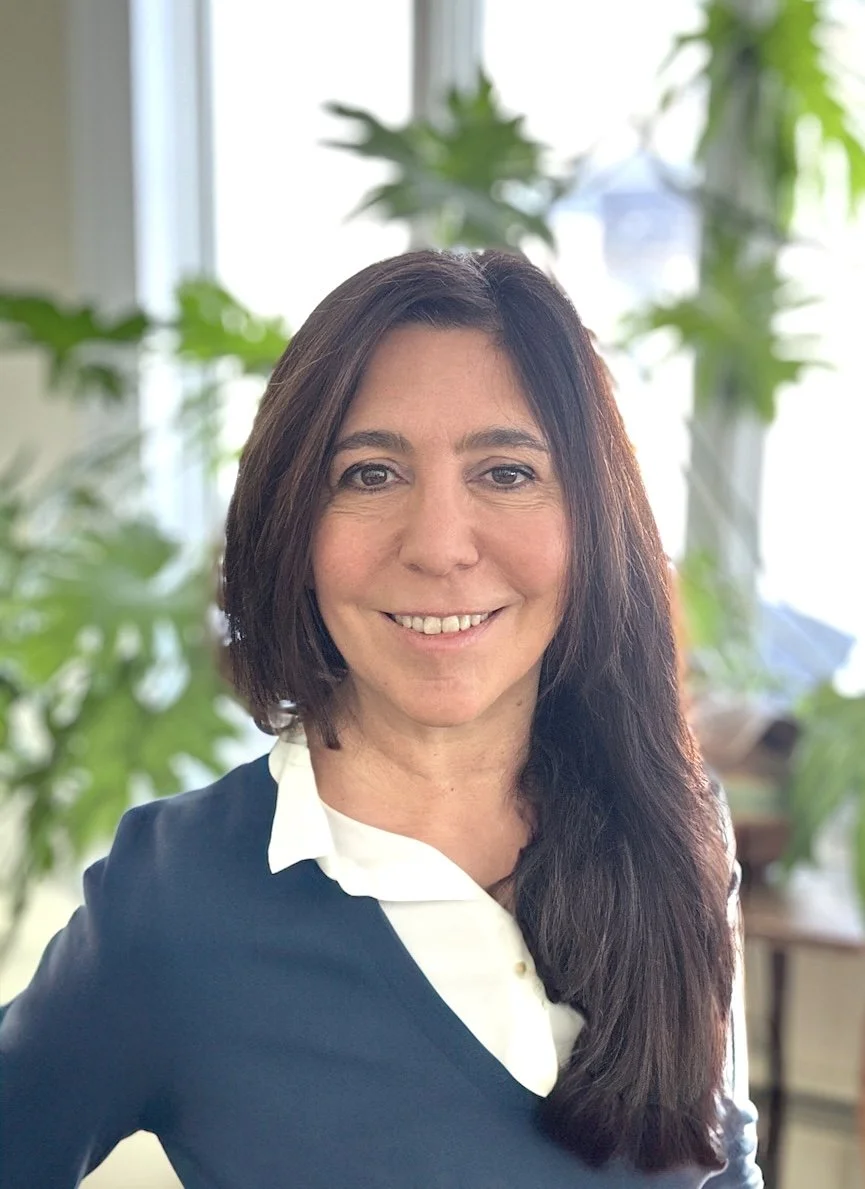
“1) By 2035, I hope sustainability is simply the default. Menus will reflect regional agriculture, seasonality, and whole-food cooking, with less reliance on ultra-processed inputs. Plant-forward dishes, healthy fats, and thoughtfully sourced proteins will be the norm. Transparency will be embedded, not marketed. Most importantly, sustainability will fully include human health—because a truly sustainable food system must nourish both people and the planet.
2) By 2035, I believe we’ll have reconnected flavor, health, and sustainability. Mediterranean-style, plant-forward eating will be more widely adopted as a flexible framework, not a "diet". “Food is Medicine” will be integrated into foodservice, not just healthcare. Portions will recalibrate, menus will become more nutrient-dense, and consumers more discerning. The shift will be from restriction to quality, balance, and long-term well-being.”
- Laura Pensiero, Chef, Registered Dietitian & Restaurateur, Gigi Hudson Valley
“1 Superintelligence will help preserve our oceans and protect the natural resources our industry depends on. Better food and healthier options will be available to more people. Food will be produced in smarter ways that make it easier to enjoy food and bring people together. Automated systems will support humans, enabling humans to do better work and live a better life.
2 - We’re no longer talking about sustainability as a separate topic. Operators, business owners, and communities are more aligned on what good looks like and what’s appropriate. AI is helping people make smarter choices, serve better food, protect the planet, and live healthier lives.”
- Spencer Plaut, Head of Food, OpenAI
“By 2035, I believe sustainability will be defined less by compliance and checklists and more by creative intelligence; the kind the Chef Brain naturally excels at. I hope we will see a shift from reactive problem-solving to an integrated, intuitive way of thinking where chefs, operators, technologists, and communities co-create solutions that regenerate rather than deplete.
My vision is that sustainability becomes woven into the daily mise en place of every food system. It will not be a department or an initiative; it will be a mindset shaped by data, AI-driven insight, and deeply human values. I imagine kitchens that operate with precision and empathy, farms and producers connected through transparent digital ecosystems, and decision-making guided by augmented intelligence that amplifies our senses, not replaces them.In the future, sustainability will be smarter, simpler, more relational, and more rooted in stewardship than ever before. Chefs and extended culinary professional world will lead the movement, not from behind a stove, but from a place of holistic, five-dimensional awareness.
By 2035, I believe we will have built the foundation for a truly regenerative food economy. We will have moved beyond “less harm” toward net-positive systems that give back more than they take. Food waste valorization will be normalized. Circularity will be embedded into procurement, menu development, operations, and technology design. And AI will serve as a creative partner that helps us see patterns and opportunities we could never have recognized on our own.
We will also have elevated the role of culinary professionals as strategic thinkers. The Collective Chef Brain...our instinctive blend of sensory intelligence, spatial awareness, creativity, and adaptability, will finally be recognized as a powerful leadership asset in solving global challenges.
I believe we will have measurable progress in K-12 nutrition reform, scalable models for healthier institutional dining, stronger local food networks, and new partnerships between industry, academia, and government that drive innovation at the speed this moment requires. These processes are in place now...
Most importantly, I think we will have rekindled something essential: a shared belief that the future of food is both hopeful and human. And we will have proved that when chefs are empowered with technology, creativity, and community, they do not just cook better; they design better futures.”
- Tiffany Poe, CEC CHE MGT, Principal Consultant and CEO, Tiffany Poe Consulting
“As the need to provide affordable, nutritious food becomes more urgent, environmental and human sustainability are becoming increasingly intertwined. Food waste reduction will need to translate into getting rescued food into the hands of those who need it most. Looking ahead to 2035 and beyond, building sustainable food systems won’t just be about how food is produced. Access will matter just as much as the process itself.”
- Robin Puskas, Head of Culinary, CCD Innovation

“I hope to see a food system that is a net carbon sink, rather than a significant source of climate change emissions.”
- Taylor Reid, PhD Professor, Applied Food Studies, The Culinary Institute of America
“By 2035, I hope the majority of society will hold the belief that convenience is the bane of survival. I hope to see more agrovillages centered around community strength and sovereignty.”
- Mavis-Jay Sanders ‘12, Chef, A Sanders Thing

“I hope that we reframe the conversation to be about intention rather than specific outcomes. By speaking in relatable, human terms, we shift sustainability from being a conversation about biological outcomes to being one about biographical outcomes.
Given the current trajectory of our country, I hope by 2026, let alone 2035, that we have decided that we see our well being as intertwined with that of the broader populace.”
- Barton Seaver '01, Chef, Author, Sustainable Seafood Expert, Seafood that Matters

“By 2035, I hope sustainability is no longer a separate conversation but how we operate. It becomes embedded into the DNA of how we grow, produce, distribute, and experience food. Regenerative growth and more nutrient- dense soil would be a dream.”
- Natalie Shmulik, Head of Innovation, CCD Innovation
“Substantially reduce chemical use to grow food. We must.”
- Andrew Smith, PhD, Chief Scientific Officer, Rodale Institute
“By 2035, I hope sustainability isn’t something we talk about as a program—it’s just how the food system works.
It’s embedded in everyday decisions: what we source, how we cook, how we serve, and how consumers choose. It’s measurable, not aspirational. We’re no longer debating intent—we’re tracking real outcomes like carbon, water, waste, nutrition, and access. And it’s scalable, meaning sustainable choices are affordable, operationally realistic, and available everywhere—not just in specialty settings.
From my perspective as a CIO, sustainability in 2035 is deeply data enabled. Technology helps chefs and operators make better decisions in real time—reducing food waste before it happens, optimizing supply chains, and designing menus that support both human and planetary health without sacrificing flavor or experience.
Most importantly, sustainability feels practical. Less waste, fewer single use items, cleaner energy, smarter operations—and food that’s still delicious. Sustainability shouldn’t feel like a trade off. By 2035, it should feel like common sense.
By 2035, I believe we’ll look back and say this was the decade when the food industry shifted from ambition to execution.
First, food waste prevention will be the norm. With better forecasting, AI enabled tools, and smarter production, preventing waste will be more impactful—and more cost effective—than managing it after the fact. That alone will deliver some of the biggest climate gains our industry can achieve.
Second, we’ll have normalized plant forward, lower impact menus that people genuinely love. Sustainability won’t be framed as sacrifice—it’ll be associated with quality, flavor, and choice. Responsible sourcing and alternative proteins will be standard parts of the menu, not special call outs.
Third, supply chain transparency will be expected. Responsible sourcing will be verified, data backed, and trusted.
And finally, we’ll have proven that sustainability is good business. It drives resilience, growth, and relevance. If we do this right, 2035 won’t be the finish line—it’ll be the foundation for what comes next.”
- Baker Smith, SVP, CIO, Aramark
“Sustainability looks like community controlled, diversified, regional food systems that produce food for people. We grow ,and humanely raise, genetically diverse foods that align with the carrying capacity of the land and promote personal, community, and environmental health with no exceptions.”
- John Stoddard, Associate Director of Climate and Food Solutions, Health Care Without Harm
“By 2035, I hope we’ve made transparency the norm in food, not the exception. Through science-backed data and clearer storytelling, I believe we’ll be making food decisions that are better for human health, farmers, and the planet—and holding ourselves accountable along the way.”
- Jessica Student, Senior Marketing Lead, Edacious
“With wearable technology becoming more mainstream across all demographics and income groups, (icw linked apps), I am confident that there will be an increasing understanding to what foods lead to better health, naturally having a direct impact on consumers spending more on sustainable options. This will then also help with less politicizing around the topic of sustainability at large.”
- Rene van Camp, Chief Hospitality Officer and Principal, ISS / Guckenheimer
“By 2035, I believe we will have fundamentally reshaped how food is understood, valued and operationalized across senior living communities—a rapidly growing and influential sector of our food system. We will have moved decisively away from institutional “senior dining” models toward integrated restaurant ecosystems that champion sustainability, nutrient density, human connection and deliciousness as core measures of success.
We will see widespread adoption of plant-forward, climate-smart menus grounded in Menus of Change principles and supported by transparent sourcing, regenerative agriculture partnerships and measurable waste-reduction strategies. Sustainability will no longer be positioned as an aspirational add-on, but as an operational standard tied to healthspan, resilience and wellness outcomes for adults 50+.
Most importantly, by 2035 the dining experience in senior living will be recognized as a driver of public health and environmental stewardship. Culinary teams, dietitians and wellness professionals will collaborate routinely, using evidence-based strategies to nourish people in ways that also nourish ecosystems. Community restaurants within senior living will stand as hubs of culture—places where residents, families and neighbors come together around sustainable food practices that model what the future can be.
If we succeed, we will have demonstrated that sustainability is not only compatible with aging well—it is essential to it.”
- Sandy Todd Webster, '24, MPS, Journalist, Educator, and Consultant, International Council on Active Aging
“By 2035, sustainability won’t be a trend. It will be built into menus, purchasing, and product design. Climate-smart options will be the default, not the exception, and chefs will be judged as much by impact as by flavor.
We’ll have stopped calling sustainable food “brave” and started calling it lunch.”
- Andrew Wilkinson ‘83, Chef of Culinary R&D and Training, North Coast Seafoods
“Routinely, more plant-based options on menus.”
- Walter Willet, Professor of Epidemiology and Nutrition, Harvard T.H. Chan School of Public Health
“I hope that in the next ten years, we will continue to work toward creating more with less. Maybe that's less packaging or less ingredients or less labor or less equipment - just a overall simplification of our processes, our diets and our lives in an effort to provide more sustainability for our communities.”
- Rachel Wyman ’05, MBA, CMB, Faculty, The Culinary Institute of America
“Integrating delicious blue foods, especially lower-trophic blue foods, into our menus, diets, and food cultures, and using nearly 100% of biomass (off-cuts) creatively.”
- Helene York, Adjunct Faculty and Research Fellow, Culinary Institute of America